What to Expect from a Professional Roof Installation
If you are a homeowner in North Texas, you know our weather does not mess around. Hail in the spring, blistering heat in the summer, and sudden high winds any time of year. Your roof takes the brunt of it. When the time comes to replace an aging or damaged roof, the biggest decision you face is whether to let any crew handle it or to insist on a professional roof installation. I have worked in roofing for over a decade, and I have seen what happens when shortcuts are taken. The difference between a job done right and a job done fast is not always obvious at first, but it shows up fast when the next storm rolls in.
Let me walk you through what a genuine professional roof installation actually involves, where the money goes, and why the cheapest bid is rarely the real deal.
More Than Just Nailing Shingles
A lot of people think roof replacement is straightforward. Tear off the old stuff, lay down new shingles, done. That assumption is what leads to leaks, warped decking, and warranties that are not worth the paper they are printed on. A professional roof installation starts with a thorough inspection of the underlying structure. I remember a job where the homeowner had been quoted a flat rate by a storm-chaser crew. They planned to lay new asphalt shingles right over the old ones. But when we got up there, we found rotted plywood around the chimney and insufficient attic ventilation that had been trapping moisture for years. Covering that up would have led to mold and a full deck replacement within two seasons. A professional would have caught that first.
Good roofers look at the whole system. They check the flashing, the drip edge, the ridge vents, and the underlayment. They make sure the deck is sound before they put a single shingle on. That attention to detail is what separates a professional roof installation from a quick patch job. It is not glamorous work, but it is what keeps your home dry.
Material Selection Makes a Real Difference
I have installed asphalt shingles, metal panels, tile, and even slate. Each material has its own quirks and best applications. For North Texas, I lean toward architectural asphalt shingles with a high wind rating. They handle our temperature swings better than many cheaper alternatives. But the material itself is only half the story. How it is installed matters just as much.
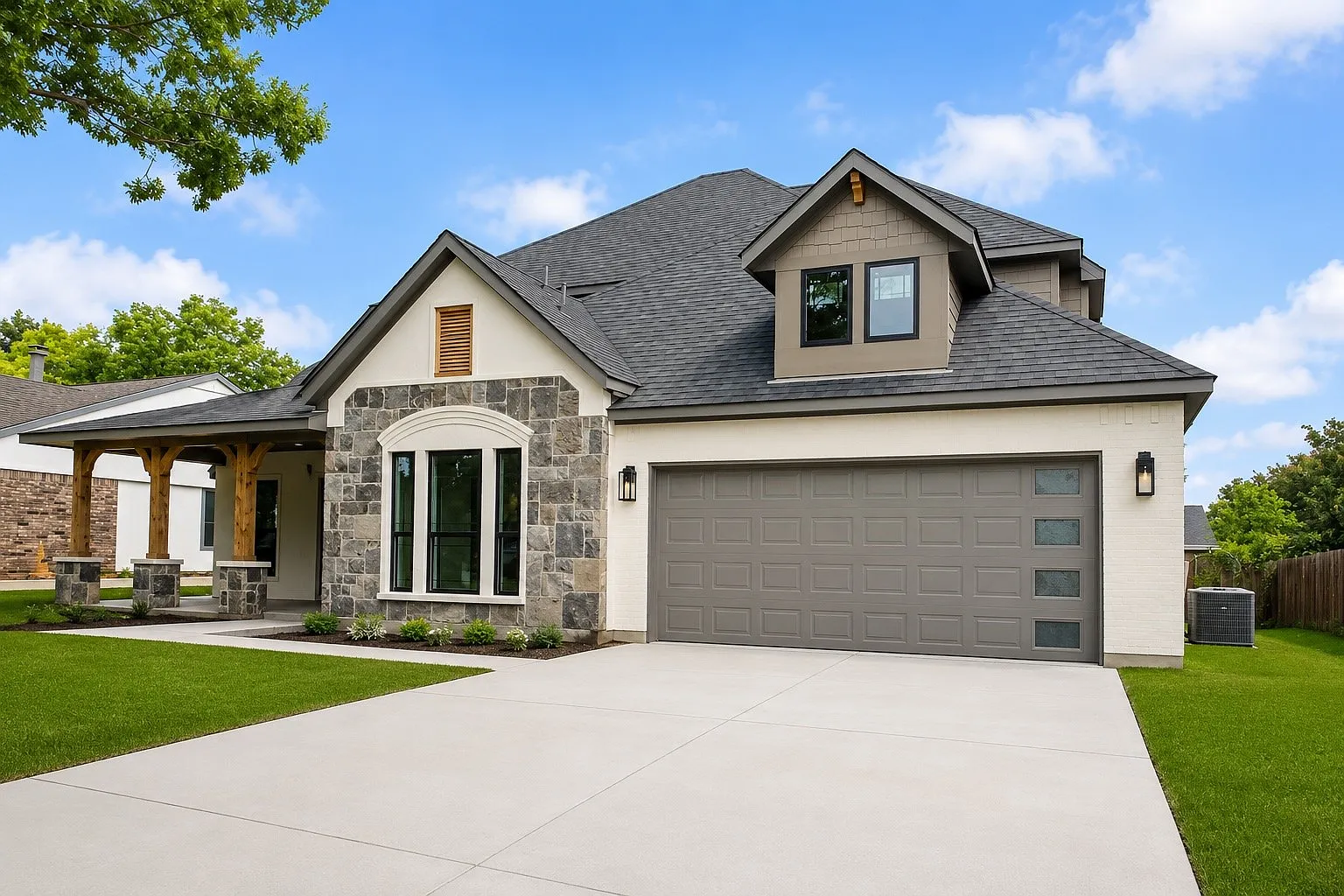
For example, asphalt shingles need to be offset properly and nailed at the right depth. Nail too high and the shingle can lift in a gust. Nail too low and the head can tear through the tab. A professional roof installation follows the manufacturer's specs to the letter. That includes using the correct number of fasteners per shingle, which is something I have seen skipped to save time. It is the kind of detail that does not show up in a photo, but it shows up in the insurance claim after a hailstorm.
Ice and Water Shield Underlayment
One thing I insist on in this region is a high-quality synthetic underlayment beneath the shingles. Not all roofers do. Some will use cheap felt paper that tears easily and degrades in UV light before the shingles even go on. A professional roof installation uses a self-adhering ice and water shield at all vulnerable points, valleys, eaves, rakes, and around penetrations like vents and skylights. This layer acts as a secondary barrier if wind drives rain up under the shingles. It is an added cost, but it is cheap insurance compared to a ceiling stain and drywall repair.
Connect with us on LinkedIn.
I once had a homeowner ask me why we were putting down what looked like thick rubber membrane on the lower six feet of the roof. I explained that in a heavy rain with wind, that is the zone where water can be forced upward. Having that extra protection there means the deck stays dry even if a shingle gets blown off. He later told me his neighbor's roof, installed by a budget crew, leaked in the very next storm. The neighbor had no underlayment at all. That is the difference experience makes.
Flashing and Penetrations
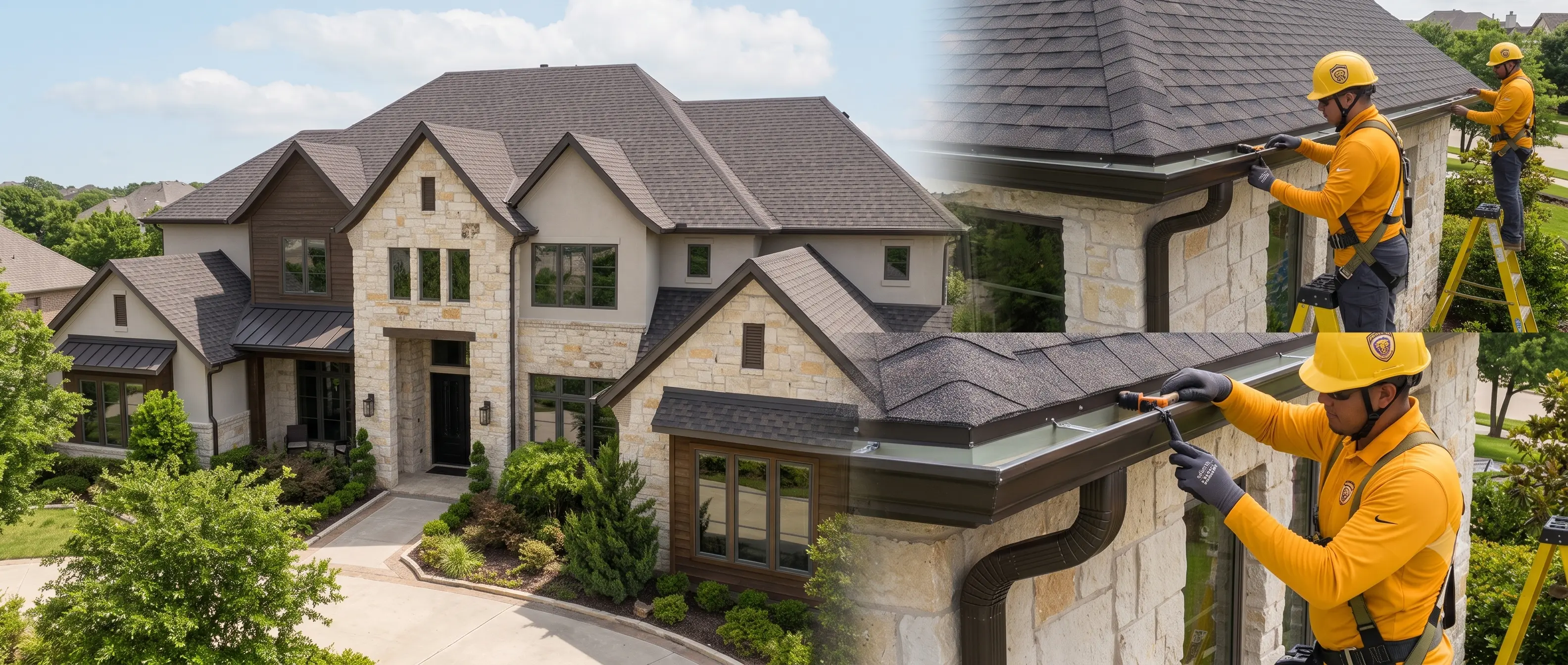
If there is one area where most roof leaks start, it is around chimneys, plumbing vents, and skylights. Flashing those intersections is a skill that takes years to develop. The metal needs to be stepped into the masonry or shingle course, sealed with the right caulk, and lapped so water runs over, not behind. I have pulled off flashing that was just caulked to the brick with no step-flashing at all. It looked fine for a year, then the caulk dried out and the water found its way in. A professional roof installation includes proper step-flashing, counter-flashing, and a continuous seal. It is meticulous work, but it is the only way to keep the inside of your home dry.
Ventilation and Ridge Vents
Attic ventilation is another piece that often gets overlooked. A roof needs to breathe. Without adequate intake at the soffit and exhaust at the ridge, heat and moisture get trapped. That shortens the life of the shingles and can cause ice dams in colder weather. In our climate, it mainly leads to premature shingle aging and higher cooling bills. A pro will calculate the net free vent area needed for your specific roof geometry and install ridge vents accordingly. I have seen roofs where the ridge was simply capped with shingles and no vent was cut. That roof failed in less than ten years. A professional roof installation always includes proper ventilation because it is part of the system, not an optional upgrade.
Warranties and Paperwork
Real pros back their work with a manufacturer's warranty and a workmanship warranty. But you need to read the fine print. Many shingle warranties prorate after the first few years, meaning you get less coverage as time goes on. A good contractor explains that upfront and gives you a clear workmanship guarantee. They also pull the necessary permits and schedule inspections. That protects you if you ever sell the home. A permit means an independent inspector verified that the installation met code. That is worth paying for.
I have seen too many homeowners take the lowest bid only to find out later that the crew was not insured, did not pull permits, and used materials that voided the shingle warranty. A professional roof installation costs more upfront, but it saves money over the life of the roof. The warranty is only as good as the company that stands behind it.
Timing and Weather Windows
Roofing in North Texas is seasonal work. Spring and fall are ideal, but those are also the busiest times. If you wait until your roof is actively leaking, you may have to take whatever crew is available. That is a recipe for a rushed job. Planning ahead gives you leverage to choose a roofer with a solid reputation. A professional roof installation takes time. A good crew does not rush through the underlayment or skip the step-flashing to fit another job in the same day. They schedule enough time to do it right, and they do not start if rain is forecast within 48 hours. That discipline is a sign of experience.
I once had a client who called me in a panic after a storm had already damaged his roof. We could not get to him for three weeks because we were booked. He ended up hiring a crew that promised to start the next day. They put the new roof on in two days, but they left exposed nail heads and did not seal the ridge vent. When the next rain came, he had water running down his walls. He called me again, and we fixed it properly the following season. He told me he wished he had waited. That is the kind of story I hear often.
Doing It Right Means Peace of Mind
At the end of the day, a roof is a long-term investment. The goal is to install it once and not think about it for twenty years. That requires a contractor who treats the job as a craft, not a commodity. Look for someone who asks questions about your home's construction, who talks about underlayment and ventilation, and who gives you a detailed written proposal. That is the sign of a professional roof installation.
If you are in the Argyle area and want to talk roofing with a crew that actually cares about the details, RoofDog Roofing serves homeowners across North Texas with roof installations, repairs, and inspections. They are located at 308 FM1830 Ste 12B, Argyle, TX 76226, and can be reached at +1 940-828-7663. They also donate 10% of profits to local dog rescues, which is a nice bonus when you are choosing a contractor who gives back to the community.